A diminished value claim recovers the lost resale value of your car after an accident. Even with flawless repairs, an accident on your vehicle's history lowers its market value. In California you file this against the at-fault driver's insurer (a third-party claim), within 3 years of the accident, if you were not at fault.
You did everything right. You got your car fixed correctly after the crash, the panels line up, the paint matches, and it drives like new. Then you go to sell or trade it in — and the number comes back lower than you expected, simply because a report shows the car was once in a collision. That gap is called diminished value, and in California you may be able to recover it.
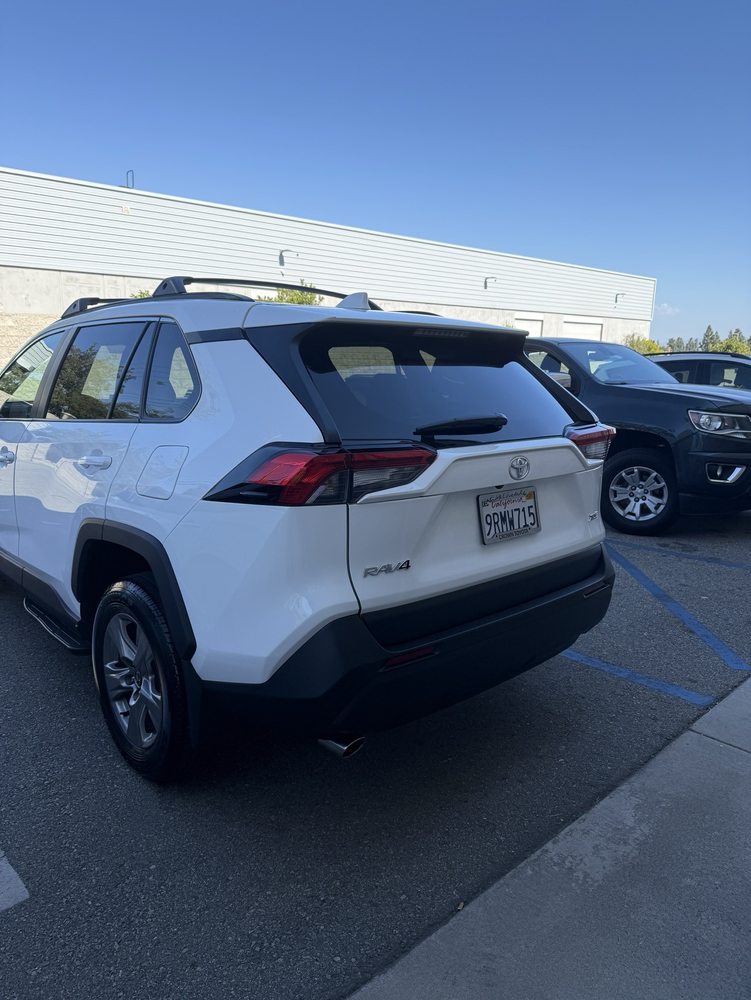
What is diminished value?
Diminished value is the difference between what your vehicle was worth before the accident and what it's worth after — even when the repair is done to the manufacturer's exact standard. Buyers pay less for a car with an accident on its record, and that loss is real money out of your pocket. A diminished value claim is how you ask the responsible party's insurance company to make up that difference.
It's a separate issue from the cost of the repair itself. The repair puts your car back together correctly. Diminished value addresses the market's reaction to the accident having happened at all.
The three types of diminished value
Not all diminished value is the same. Understanding the three types helps you know what you can actually claim:
- Inherent diminished value — the most common type. This is the loss of resale value that comes purely from your vehicle having an accident on its history, even after a perfect, complete repair. This is what most California claims are built on.
- Immediate diminished value — the theoretical loss in value measured right after the accident but before any repairs are made, comparing the damaged car to the same car undamaged.
- Repair-related diminished value — the extra loss that occurs when repairs are incomplete, visible, or done with substandard parts. This is the one type you can directly influence by choosing the right shop.
Been in an accident in the Inland Empire?
Green Tech Collision Center repairs your vehicle to OEM spec with proper parts — the kind of repair that protects your car's value. We'll handle the claim for you.
Start My Free EstimateWho qualifies for a diminished value claim in California?
California allows diminished value recovery, but there are firm limits on who can claim it:
- You must not have been at fault. You cannot claim diminished value if you were the at-fault party in the collision.
- The damage must be from a collision. Diminished value does not apply to damage that wasn't caused by an accident.
- You claim against the other driver's insurer. Because the loss is the at-fault party's responsibility, this is a third-party claim.
In short: if another driver caused a collision that damaged your car, you are generally the one entitled to pursue the resale value that accident cost you.
How to file a diminished value claim
The mechanics are more straightforward than most people expect:
- File as a third-party claim with the at-fault driver's insurance company — not your own insurer.
- Do it within the statute of limitations. California gives you 3 years from the date of the accident to bring the claim. Waiting too long forfeits it entirely.
- Document the loss. You'll need evidence of your vehicle's value before and after the accident to support the amount you're asking for (more on that below).
Keep every record from the collision and the repair. A clean, well-documented repair file makes your diminished value claim far easier to substantiate.
How is diminished value calculated?
At its core, the calculation is simple: pre-accident value minus post-accident value. Establishing those two numbers credibly is where the work is. The common methods are:
- A professional vehicle appraiser — an independent appraisal is the most defensible way to document what your car lost.
- Comparable sales — real-world sale prices of similar vehicles, some with an accident history and some without, to show the market gap.
- Valuation tools — resources like Kelley Blue Book to anchor the vehicle's baseline market value.
The stronger your documentation, the harder it is for an insurer to lowball the figure.
How a proper repair protects your vehicle's value
Here's where the shop you choose directly affects the money you keep. Of the three types of diminished value, repair-related loss is the one you control. A correct, OEM-procedure repair using the proper parts minimizes repair-related diminished value. A poor repair — visible work, mismatched panels, substandard parts — increases it, stacking extra lost value on top of the inherent loss you can't avoid.
At Green Tech Collision Center, we repair every vehicle to its manufacturer's specification, use the correct parts for the job, and document the repair properly. That documentation does two things: it restores your car the right way, and it gives you a clean record that supports your diminished value claim rather than undermining it. It's the difference between a car that was truly repaired and one that was merely made to look repaired — and buyers can tell the difference. Every repair is backed by our complete satisfaction guarantee.
The bottom line
An accident can cost you money twice — once at the repair, and again when you sell. A diminished value claim exists to recover that second loss when someone else was at fault. Know your three-year window, file against the right insurer, document your car's value, and start with a repair done correctly so a poor one doesn't deepen the loss you're trying to recover.
This article is general information for California drivers, not legal advice. For questions about your specific policy, claim, or statute of limitations, consult your insurer or an attorney.